Panel: After Perceiving, What Happens Next?
- SFU Goldcorp Centre for the Arts 149 West Hastings Street Vancouver, BC Canada (map)
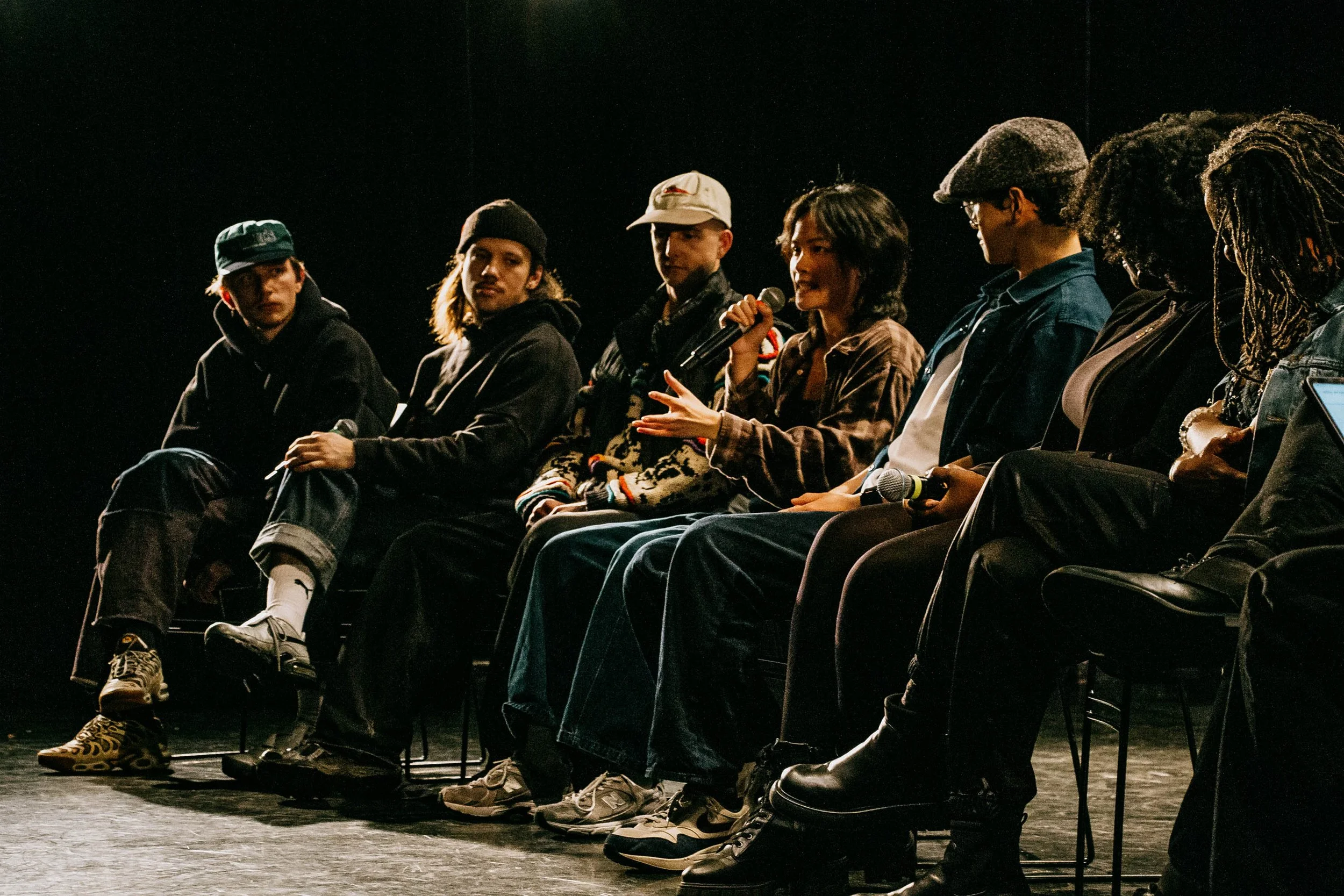
cypher to the screen 2025 artist panel documented by pomona
Panel: After Perceiving, What Happens Next?
Presented in with Festival Supporter SFU Live
Saturday November 7 | 8:00-9:30 PM following When We Perceive the Personal | Doors: 7:45 PM
Location: SFU - Djavad Mowafaghian Theatre, 3rd floor
Following the When We Perceive the Personal screening, this panel discussion brings together filmmakers involved in the festival and artists in our community to collectively reflect on the stories we’ve experienced on screen. Films can extend beyond the cinema and inspire us over the days, months, and years that follow watching a work. How do stories of migration, diaspora, and personal discovery continue to inform artists as storytellers and the audience members who bear witness?
Panelists:
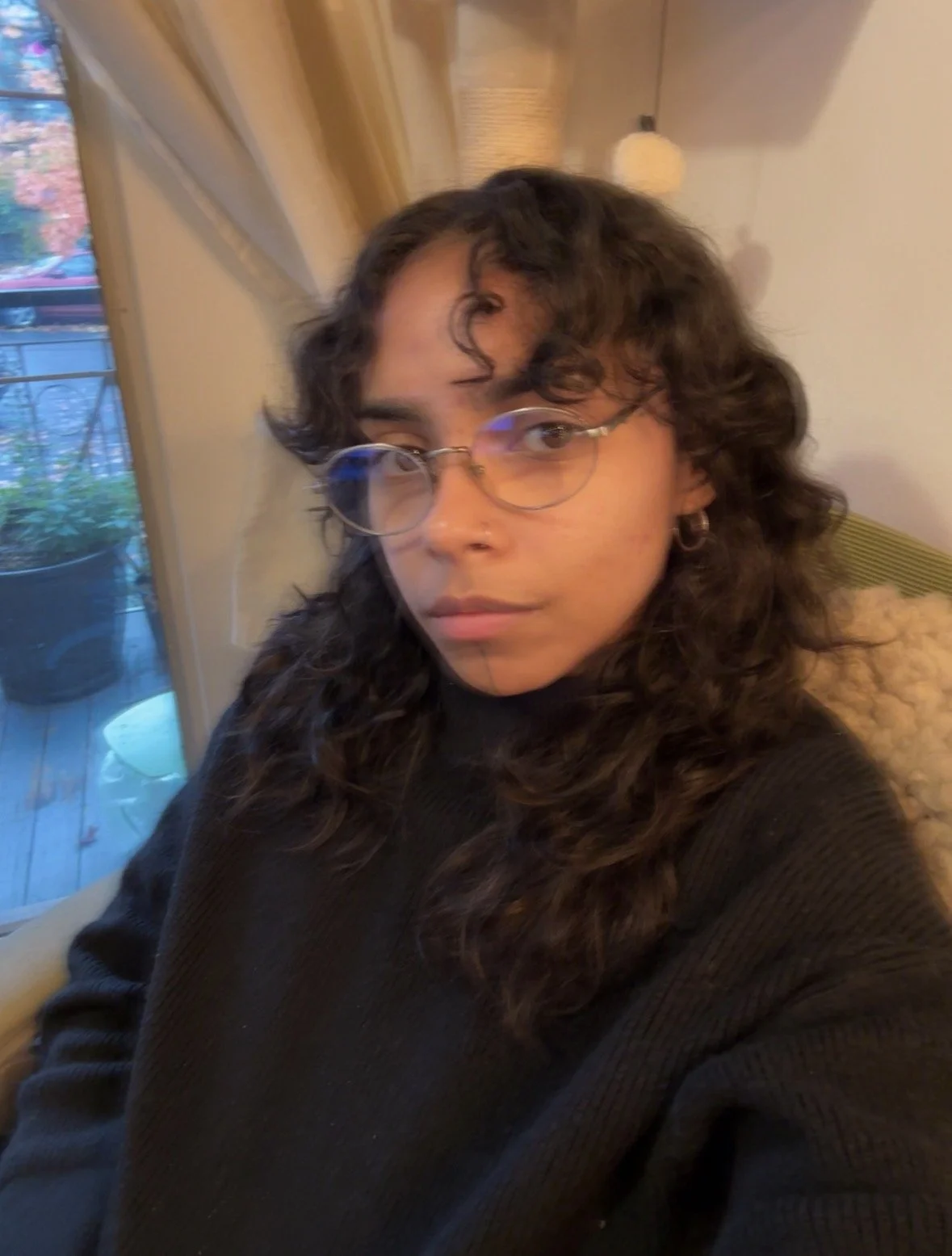
karmella benedito de barros is 2spirit Afro-Brazilian & Nêhiyawak/mixed-settler, and a member of the Mistawasis First Nation (treaty 6). they are an interdisciplinary artist, organizer and co-founder or the art ecoststem collective. born and raised as an uninvited guest on stolen & unceded xʷməθkʷəy̓əm (Musqueam), Sḵwx̱wú7mesh (Squamish) and səlil̓ilw̓ətaʔ (Tsleil-Waututh) territories, karmella’s experimental practice is informed by the land, seasonality, preservation and tending relations. their experimental film practice leans towards a process of witnessing and conjuring collective felt sense through mixed-media storytelling.
the laws of this land
An explorative land acknowledgement, grounded as a soundscape and storytelling piece featuring Tiffany Joseph of the Sḵx̱wu7mesh (Fresh Water people) and W̱SÁNEĆ (Saltwater people, Emerging people). This piece takes place on the unceded xʷməθkʷəy̓əm, Sḵwx̱wú7mesh and səlil̓ilw̓ətaʔ peoples at Mahon park, where both Tiffany and the film's director (karmella) grew up climbing trees and running around by the creek.
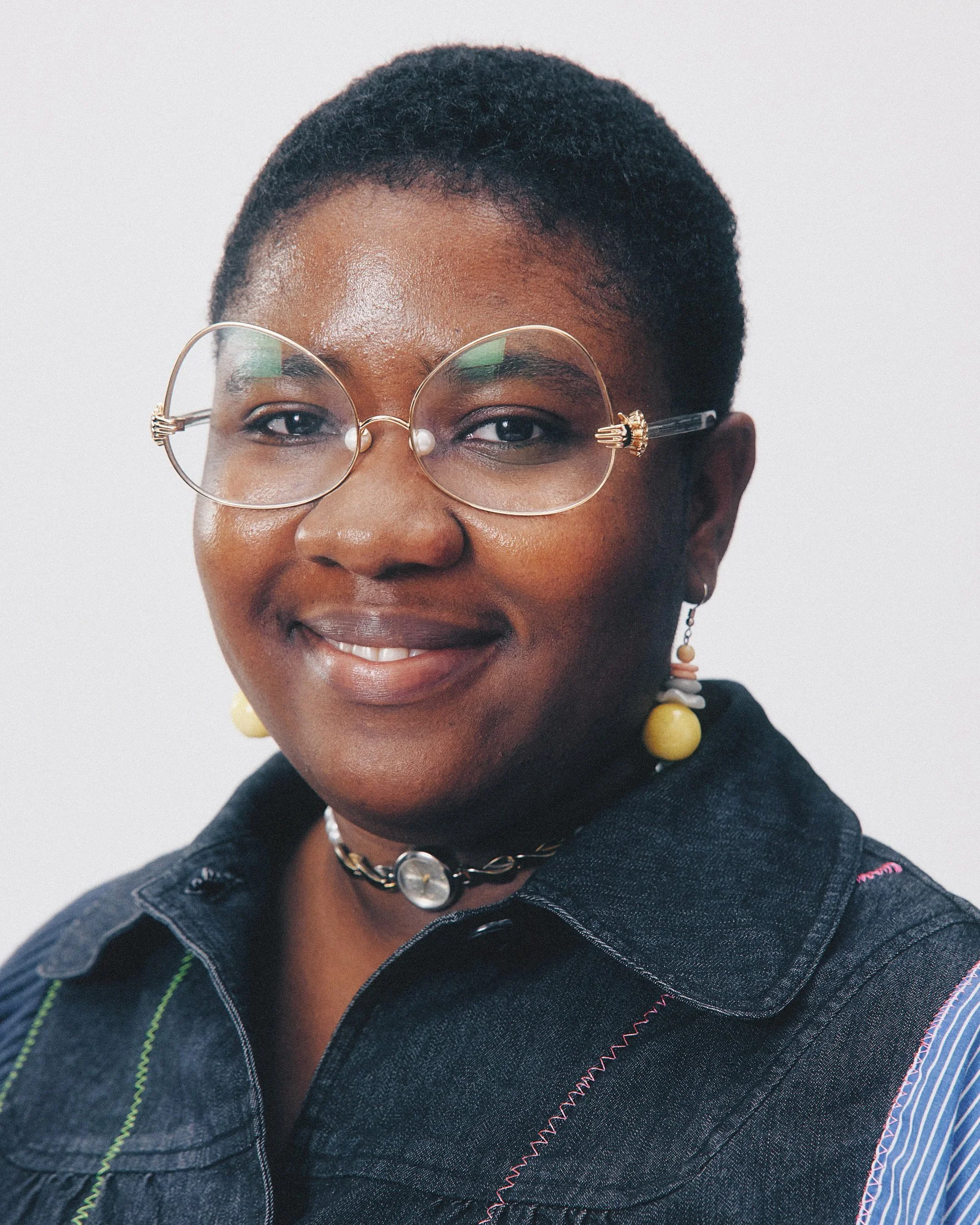
Ogheneofegor Obuwoma (she/they) is a Nigerian-born artist, writer, and arts worker based in Vancouver, on the unceded territories of the xwməθkwəy̓ əm (Musqueam), Sḵwx̱ wú7mesh (Squamish), and səlilwətaɬ (Tsleil-Waututh) Nations. Working across moving image, photography and installation, their practice considers how colonialism and neocolonial dispossession shape the body, the land, and the conditions under which Black identity and belonging are delimited and negotiated.
Through fragmentation, archival intervention, and the visual language of the spiritual, Obuwoma engages the archive, cartography, and the body as sites through which histories of displacement continue to unfold. Within their practice, Obuwoma also interrogates the histories of film and photography, examining how these media have shaped the representation and material conditions of Black life across the continent and the diaspora, while exploring their potential for intervention and reinvention. Across these investigations, African futurisms, spiritual traditions, and Christina Sharpe’s concept of wake work inform an ongoing commitment to care, self-determination, and forms of belonging beyond those prescribed by colonial systems.
Alongside their studio practice, Obuwoma is an independent programmer with the Ajoko Film Collective and co-programs African Cinema Now, a contemporary African film series at the VIFF Centre. Their work has been exhibited at the Marianne and Edward Gibson Gallery, Surrey Art Gallery, Gallery Gachet, and The Richmond Art Gallery. Obuwoma holds a BFA in Film and Communications from Simon Fraser University and is currently an MFA candidate in Visual Arts at the University of British Columbia.
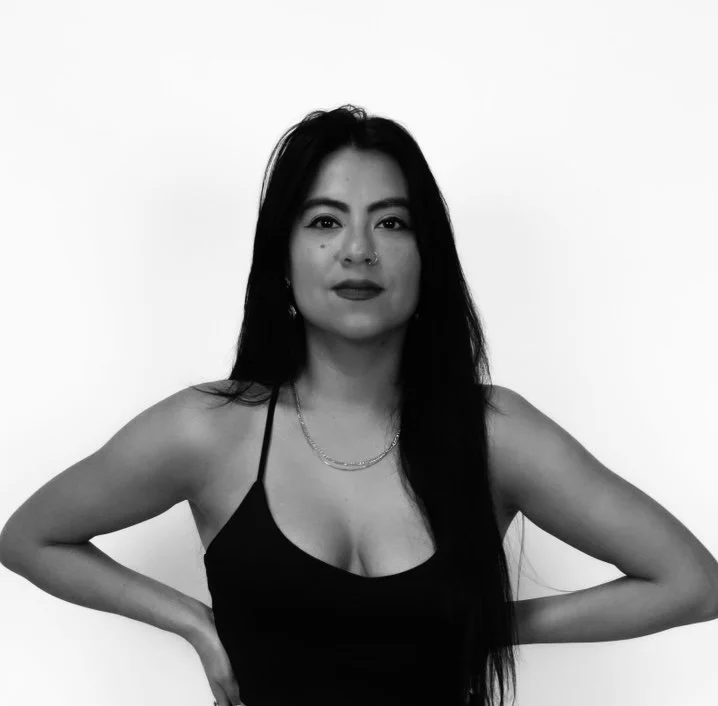
Sonia Medel is an interdisciplinary artist, curator, and analyst. Her research explores arts and culture in Vancouver through a decolonial, intersectional feminist lens, with a focus on the Latin American dance scene and the socio-political impact of Latina dancers. Alongside her scholarly work, she performs locally and internationally and is currently furthering Latin dance film, curatorial, and two major publishing projects. For over a decade, Medel has advanced decolonial approaches to arts, culture, and education across the Americas. An Indigenous-descendant Latina, she is especially grateful to the Coast Salish peoples and lands where she was born and continues to develop her creative-professional practice.